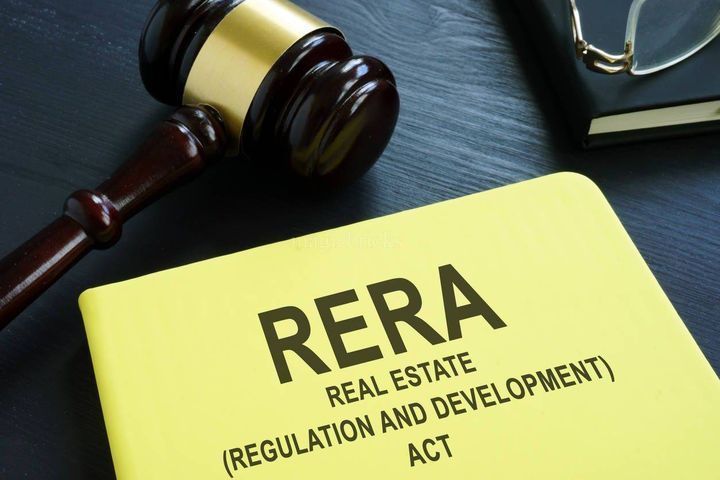
Buying a home is one of the biggest financial decisions most people make in their lifetime. For years, homebuyers often faced project delays, misleading promises, hidden costs, and a lack of transparency. Before the implementation of the Real Estate (Regulation and Development) Act, 2016 (RERA), buyers had limited legal remedies when developers failed to deliver projects on time.
Today, RERA has significantly changed the real estate landscape by introducing transparency, accountability, and stronger protections for homebuyers. While challenges still exist, the law has provided buyers with important rights that were previously unavailable.
Why RERA Was Introduced
Before RERA, many developers promised possession timelines that were rarely met. Buyers often found themselves paying both home loan EMIs and rent for several years while waiting for their homes to be completed.
The primary objective of RERA was to regulate the real estate sector, protect homebuyers, improve transparency, and ensure timely project completion.
Check Project Details Before Booking
One of the biggest advantages introduced by RERA is access to project information.
Every eligible real estate project must be registered with the respective State RERA Authority and assigned a unique registration number.
Before booking a flat, buyers can visit the state RERA portal and verify:
- Project registration status
- Approved building plans
- Layout plans
- Number of units
- Project completion timelines
- Quarterly construction progress reports
- Details of the promoter
If the completion date promised by the sales team differs from the date registered with RERA, buyers should exercise caution.
Protection Against Diversion of Funds
Historically, one of the major reasons for project delays was diversion of funds.
Developers often used money collected from one project to finance other developments or purchase new land. This frequently resulted in stalled projects when sales slowed.
To prevent such practices, RERA requires developers to deposit 70% of the funds collected from buyers into a dedicated project-specific bank account.
These funds can only be used for:
- Land-related expenses
- Construction costs
- Project development activities
This provision significantly reduces the risk of misuse of homebuyers’ money.
Compensation for Delayed Possession
One of the most important protections available under RERA relates to project delays.
If a developer fails to hand over possession by the registered completion date, homebuyers are entitled to seek relief.
Depending on the circumstances, buyers may:
- Continue with the project and receive interest for the delay period.
- Withdraw from the project and seek a refund with applicable interest.
This provision has strengthened the position of homebuyers and discouraged arbitrary delays.
Carpet Area Is the New Standard
Before RERA, flats were often marketed based on “super built-up area,” which included a proportionate share of common spaces such as corridors, staircases, lobbies, and amenities.
As a result, buyers frequently discovered that the usable area inside the apartment was much smaller than expected.
RERA made carpet area the standard basis for selling apartments.
Carpet area refers to the actual usable floor area within the apartment walls, providing greater transparency and enabling buyers to make informed comparisons.
Major Project Changes Require Buyers’ Consent
Another significant reform introduced by RERA is the restriction on unilateral changes by developers.
If a promoter intends to make substantial changes to:
- Layout plans
- Building design
- Open spaces
- Common amenities
- Project specifications
Approval from at least two-thirds of the allottees is generally required.
This provision protects buyers from unexpected alterations after booking.
A Dedicated Forum for Grievance Redressal
RERA has also established a dedicated mechanism for addressing disputes between homebuyers and developers.
Instead of immediately approaching civil courts, buyers can file complaints before the State RERA Authority regarding:
- Delayed possession
- Misleading advertisements
- Structural defects
- Violation of project commitments
- Non-compliance with RERA provisions
The process is generally faster and more accessible than traditional litigation.
Challenges Still Remain
While RERA has brought significant improvements, implementation varies across states.
Some challenges continue to exist, including:
- Delays in enforcement of orders
- Recovery of compensation awarded to buyers
- Long-pending complaints in certain states
- Delayed project completions despite regulatory oversight
However, compared to the pre-RERA era, homebuyers today enjoy substantially greater protection and legal support.
Conclusion
RERA has transformed the Indian real estate sector by introducing transparency, financial discipline, and accountability. Homebuyers now have access to project information, protection against fund diversion, compensation for delays, and a dedicated platform for dispute resolution.
However, legal protections are most effective when buyers actively use them. Verifying project registration, reviewing documents carefully, checking construction updates, and maintaining records of communication with developers remain essential steps before investing in a property.
For anyone planning to purchase a home, understanding RERA rights can make the difference between a secure investment and a costly mistake.