

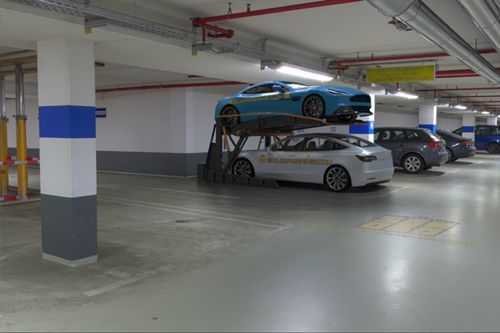
In a notable case highlighting parking allocation disputes in residential projects, the Punjab Real Estate Regulatory Authority dismissed a complaint filed by a homebuyer from Mohali. The case brings attention to the practical challenges faced by flat owners regarding parking space dimensions, location, and fairness in allocation.
Background of the Case: Buyer’s Grievance Over Parking Space
The complainant, Mr. Singh, had purchased an apartment expecting a functional and convenient parking facility. However, several issues led him to approach Punjab RERA:
- The allotted parking space was too small for his car
- The parking slot was located approximately 150 meters away from his apartment block
- There was no provision for guest parking in the complex
- Allegations that other residents received better or multiple parking slots
These concerns reflect a common issue in modern housing projects where parking management often becomes a source of conflict.
Violation of National Building Code (NBC) Norms Alleged
The complainant argued that the parking space violated the standards prescribed under the National Building Code of India.
NBC Prescribed Standards:
- Individual car parking: 3m x 6m
- Common parking: 2.75m x 5m
- Two-wheeler space: Minimum 1.25 sq m
- Bicycle space: Minimum 1.00 sq m
Actual Allotted Space:
- Only 2.2m x 4.1m, making it inadequate for safe parking
Additionally, the complainant highlighted that proper turning radius (6 meters) was not available, with only 3 meters of space, making maneuvering difficult.
Project Details & Parking Capacity
As per the construction approval issued by GMADA (SAS Nagar):
- Upper basement parking capacity: 613 vehicles
- Surface parking capacity: 246 vehicles
Despite this, the complainant alleged unequal distribution and inefficient planning of parking spaces.
Reliefs Sought by the Complainant
Mr. Singh demanded:
- Equal allocation of parking spaces among flat owners
- Disclosure of the approved parking layout plan
- Rectification of substandard parking dimensions
These demands were aimed at ensuring transparency and fairness in parking allocation.
Punjab RERA’s Decision: Complaint Dismissed
After examining the case, the Punjab Real Estate Regulatory Authority dismissed the complaint.
While the detailed reasoning was not extensively elaborated in the summary, the dismissal indicates that:
- The complainant may have failed to establish a clear violation of RERA provisions
- Parking allocation issues may fall within the scope of contractual terms or local authority approvals
- RERA may not intervene unless there is proven statutory non-compliance or deficiency in service
Key Legal Takeaways
1. Parking Rights Depend on Agreement Terms
Parking allocation is often governed by the builder-buyer agreement, and disputes must align with contractual obligations.
2. NBC Norms vs Practical Implementation
While NBC provides guidelines, not every deviation automatically results in legal violation unless it breaches approved plans.
3. Burden of Proof on Complainant
Homebuyers must provide strong technical and legal evidence to establish violations.
4. RERA’s Limited Scope
RERA focuses on statutory compliance and project obligations, not all operational inconveniences.
Impact on Homebuyers and Housing Societies
This case serves as an important reminder:
- Buyers should verify parking layouts and dimensions before purchase
- Ensure parking details are clearly mentioned in the sale agreement
- Societies should adopt transparent and equitable parking policies
Conclusion: Importance of Due Diligence in Property Purchase
The dismissal of the complaint by Punjab RERA highlights the importance of contractual clarity and pre-purchase due diligence. While parking issues are a genuine concern for many homebuyers, legal relief depends on clear evidence of violation of law or agreement terms. This case underscores the need for better planning, transparency, and awareness in residential projects.