

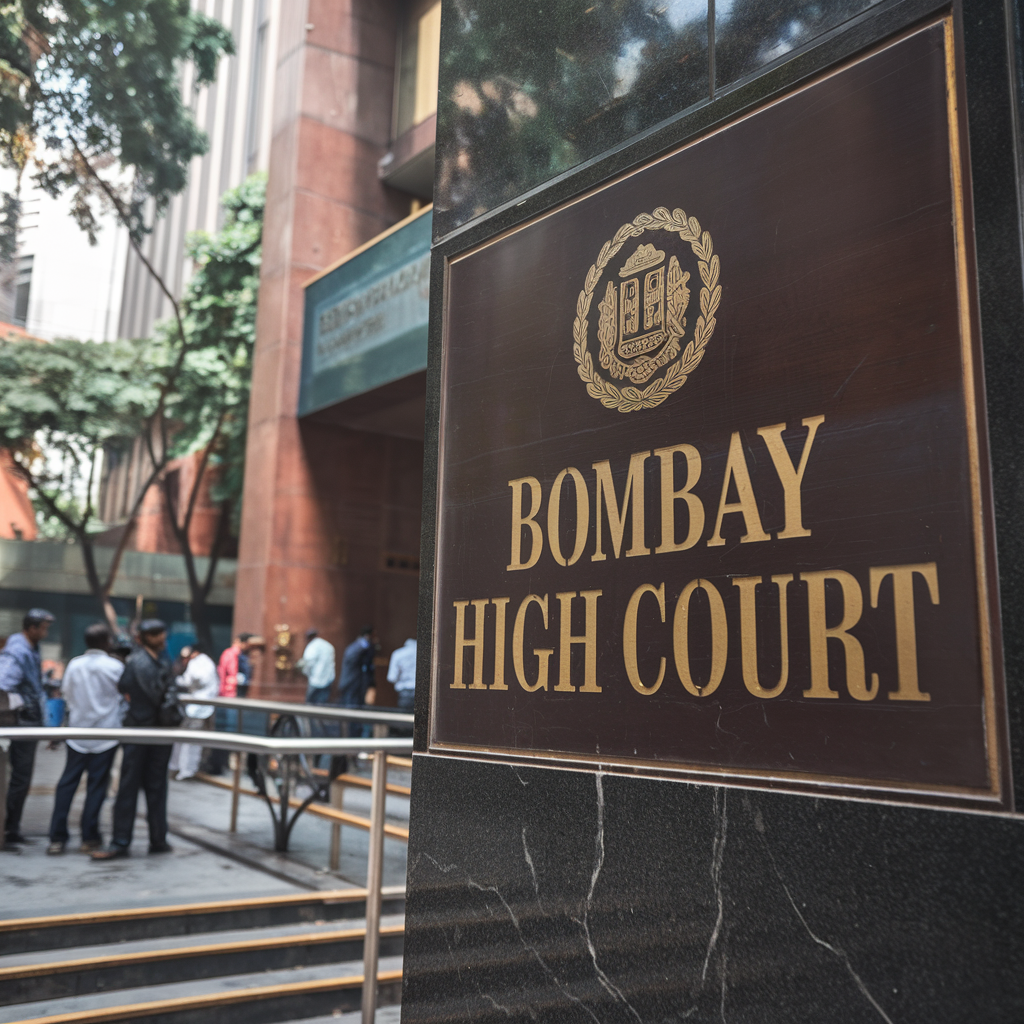
In a significant judgment protecting the interests of homebuyers, the Bombay High Court has ruled that purchasers who choose to remain invested in a delayed housing project are entitled to receive interest for every month of delay until actual possession is handed over under the provisions of the Real Estate (Regulation and Development) Act, 2016 (RERA).
The court made it clear that this right is absolute and cannot be defeated by a developer’s reliance on force majeure claims or contractual clauses extending possession timelines.
The ruling came while dismissing petitions filed by Runwal Constructions in connection with the delayed Runwal Infinity (Runwal Sanctuary) housing project in Mulund, Mumbai.
Court Says Right to Interest Is Absolute
Delivering the judgment on June 8, Justice Madhav Jamdar observed that under Section 18(1) of the RERA Act and its proviso, a homebuyer who decides not to withdraw from a delayed project has an unconditional right to receive interest for the delay period.
The court noted that:
- Homebuyers who continue with the project are entitled to monthly interest until possession is actually delivered.
- This entitlement is not dependent upon contractual conditions inserted by developers.
- Claims of force majeure cannot automatically deprive buyers of their statutory rights.
The High Court also relied upon earlier Supreme Court decisions in the Imperia Structures Ltd. and Newtech Promoters and Developers cases, which affirmed that such rights are protected under RERA.
Background of the Runwal Infinity Dispute
The dispute involved the Runwal Infinity (Runwal Sanctuary) residential project in Mulund, where buyers booked apartments between 2005 and 2007 after paying substantial amounts.
According to the case records, possession remained pending for nearly 16 years beyond the promised delivery date, causing prolonged hardship to purchasers.
The Maharashtra Real Estate Appellate Tribunal had earlier directed the developer to pay interest at 10.05% per annum from February 1, 2014, until actual possession and also ordered timely completion of the buildings.
The Bombay High Court upheld these directions.
Developer’s Force Majeure Defence Rejected
Runwal Constructions argued that certain clauses in its agreements permitted extension of possession timelines because of force majeure events and litigation affecting the project.
However, the High Court rejected this argument.
The court observed that authorities functioning under RERA cannot rewrite or modify the originally agreed possession date merely because a developer invokes force majeure or contractual provisions.
The judgment reinforces that statutory protections available under RERA override inconsistent contractual terms.
Court Rejects Doctrine of Frustration Argument
In two appeals concerning Tower C of the project, the High Court held that the developer had unsuccessfully attempted to invoke the doctrine of frustration of contract under Section 56 of the Indian Contract Act.
The doctrine generally applies when an unforeseen event makes contractual performance impossible.
The court observed that:
- Escalation in construction costs does not amount to frustration of contract.
- The arguments raised by the developer were an afterthought.
- The doctrine could not be used to escape liability under the circumstances of the case.
The court therefore imposed costs of ₹1 lakh each payable to the concerned flat buyers.
High Court Criticises Alleged False Undertaking
The High Court made particularly strong observations regarding the demolition of Tower C.
According to the judgment, permission for demolition from the Brihanmumbai Municipal Corporation (BMC) was allegedly obtained by giving a false undertaking that the interests of flat purchasers would be protected during reconstruction.
Justice Jamdar remarked that the conduct appeared shocking and described the submissions made by the developer as fraudulent and concocted while attempting to invoke the doctrine of frustration.
Nearly Two Decades Without Possession
One of the most striking observations in the judgment was that even after approximately 20 years from execution of the agreements and nearly 16 years after the promised possession date, buyers were still waiting to receive their apartments.
The court held that such extraordinary delays cannot deprive homebuyers of their statutory entitlement to interest under RERA.
Why This Judgment Is Important for Homebuyers
The Bombay High Court ruling significantly strengthens consumer protection under RERA by clarifying that:
- Homebuyers who stay invested in delayed projects are entitled to monthly interest until actual possession.
- Developers cannot avoid liability through force majeure clauses alone.
- Contractual provisions inconsistent with statutory protections under RERA cannot override buyers’ rights.
- Long project delays may expose developers to substantial financial liability in the form of interest payments.
The decision sends a strong message that developers must honour promised timelines and remain accountable for delays affecting purchasers.
Conclusion
The Bombay High Court’s verdict reinforces one of the core objectives of the Real Estate (Regulation and Development) Act, 2016—protecting homebuyers from prolonged delays and ensuring accountability in the real estate sector.
By affirming that interest for delayed possession is an absolute statutory right for buyers who continue with a project, the judgment provides greater legal certainty and strengthens confidence in the RERA framework. Developers can no longer rely solely on contractual clauses or force majeure claims to avoid compensating purchasers for years of delay.