

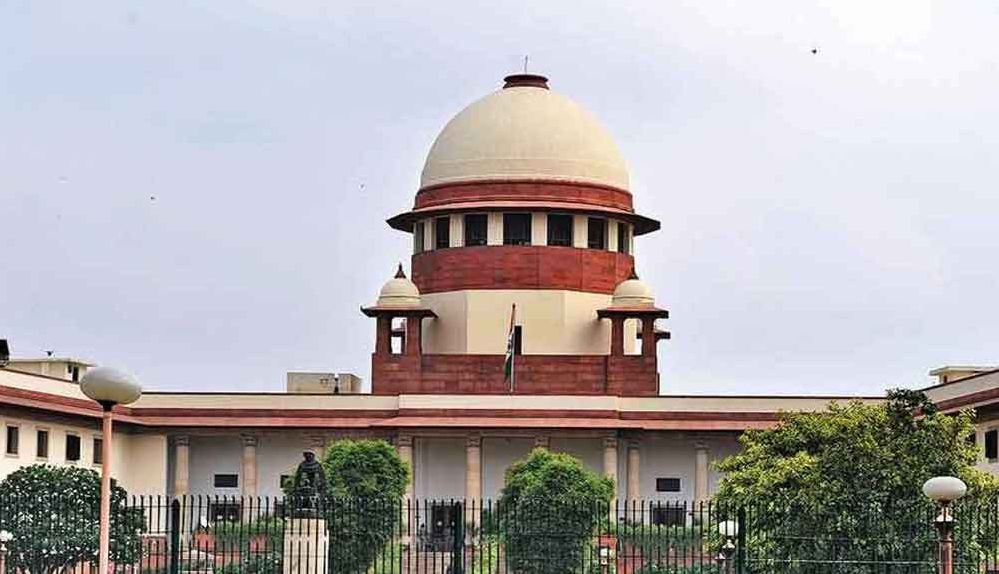
In a sharp critique of the functioning of Real Estate Regulatory Authorities (RERA) across the country, the Supreme Court of India on Thursday made scathing remarks, observing that the institution appears to be serving the interests of builders rather than homebuyers.
During the proceedings, Chief Justice of India (CJI) Surya Kant questioned whether RERA is fulfilling the purpose for which it was established under the Real Estate (Regulation and Development) Act, 2016.
“It Only Benefits Builders,” Says CJI
Expressing serious concern over the regulatory body’s functioning, the CJI remarked that RERA appears to be providing relief and convenience to defaulting builders rather than protecting buyers.
“It is doing nothing but providing convenience to defaulting builders,” the bench observed, adding that it might be better to abolish the institution altogether if it is not serving its intended purpose.
The court further indicated that state governments must reassess whether RERA is operating in the interest of homebuyers, for whose protection the statute was enacted.
Purpose of RERA Under Scrutiny
RERA was introduced to ensure:
-
Transparency in real estate transactions
-
Time-bound completion of projects
-
Protection against delays and fraud
-
Speedy adjudication of disputes
However, during the hearing, the Supreme Court noted that many homebuyers continue to face prolonged delays in obtaining relief, raising questions about the efficiency of the regulatory framework.
The bench observed that the ground reality reflects significant dissatisfaction among buyers who often have to wait years despite approaching RERA authorities.
Supreme Court Stays Himachal High Court Order on Office Transfer
Apart from its broader observations on RERA’s functioning, the Supreme Court also addressed a matter concerning the transfer of the RERA office in Himachal Pradesh from Shimla to Dharamshala.
The Himachal Pradesh High Court had earlier stayed the state government’s notification shifting the RERA office, expressing concern that the relocation could affect institutional functioning if alternative arrangements were not ensured.
However, the Supreme Court has now stayed the High Court’s order, effectively allowing the state government to proceed with the transfer.
Directions to Ensure Continuity of Functioning
While permitting the office transfer, the apex court directed that:
-
The functioning of both RERA and the Appellate Tribunal must not be disrupted.
-
Pending cases should continue to be heard regularly.
-
Institutional operations must remain smooth and uninterrupted.
The Supreme Court made it clear that administrative decisions should not hamper access to justice for stakeholders.
Concerns Over Buyer Protection
During the proceedings, the court reiterated that the primary objective of RERA is to ensure timely justice, accountability, and transparency in the real estate sector.
However, the remarks suggest growing judicial concern that the mechanism may not be delivering effective relief in practice. The observation that RERA may be benefitting defaulting builders reflects broader dissatisfaction with the pace and quality of regulatory enforcement.
Though the court’s comments were made during oral observations and not as part of a final verdict abolishing RERA, they signal:
-
Judicial impatience with regulatory inefficiencies
-
Increased scrutiny of state RERA authorities
-
Possible future directions to strengthen enforcement mechanisms
The remarks could prompt institutional reforms, stricter monitoring, or procedural changes to ensure that RERA serves its core mandate — protecting homebuyers.